Every neighbourhood challenge has a chapter. These are the chapters we write with communities.

We begin where people feel the strain first: hot streets, neglected land, polluted edges, and unmanaged waste. Then we work with local groups until those spaces feel usable and cared for again.

How the chapter ends: more shade, cleaner surroundings, safer water, and habits that continue after the event day. How we show it: clear records, references, and visible outcomes.

Choose a chapter

Each initiative starts with a local problem and moves toward visible change.

Some paths fit companies, some fit schools, and some fit resident groups. Every path is designed so the result stays useful long after launch day.

Restore Land

From exposed heat to living shade.

Plantation drives and green-belt adoption turn harsh edges into cooler, healthier spaces people can enjoy.

Revive Water

From neglected water to shared commons.

We restore storage, ecology, and local ownership so lakes and ponds stay cleaner and stronger.

Cut Waste

From dumping pressure to practical reuse.

Cleanups, recycling, and public installations help communities adopt waste habits that are practical and local.

Build Habits

From awareness to everyday action.

Murals, school participation, and public events help people move from learning to doing.
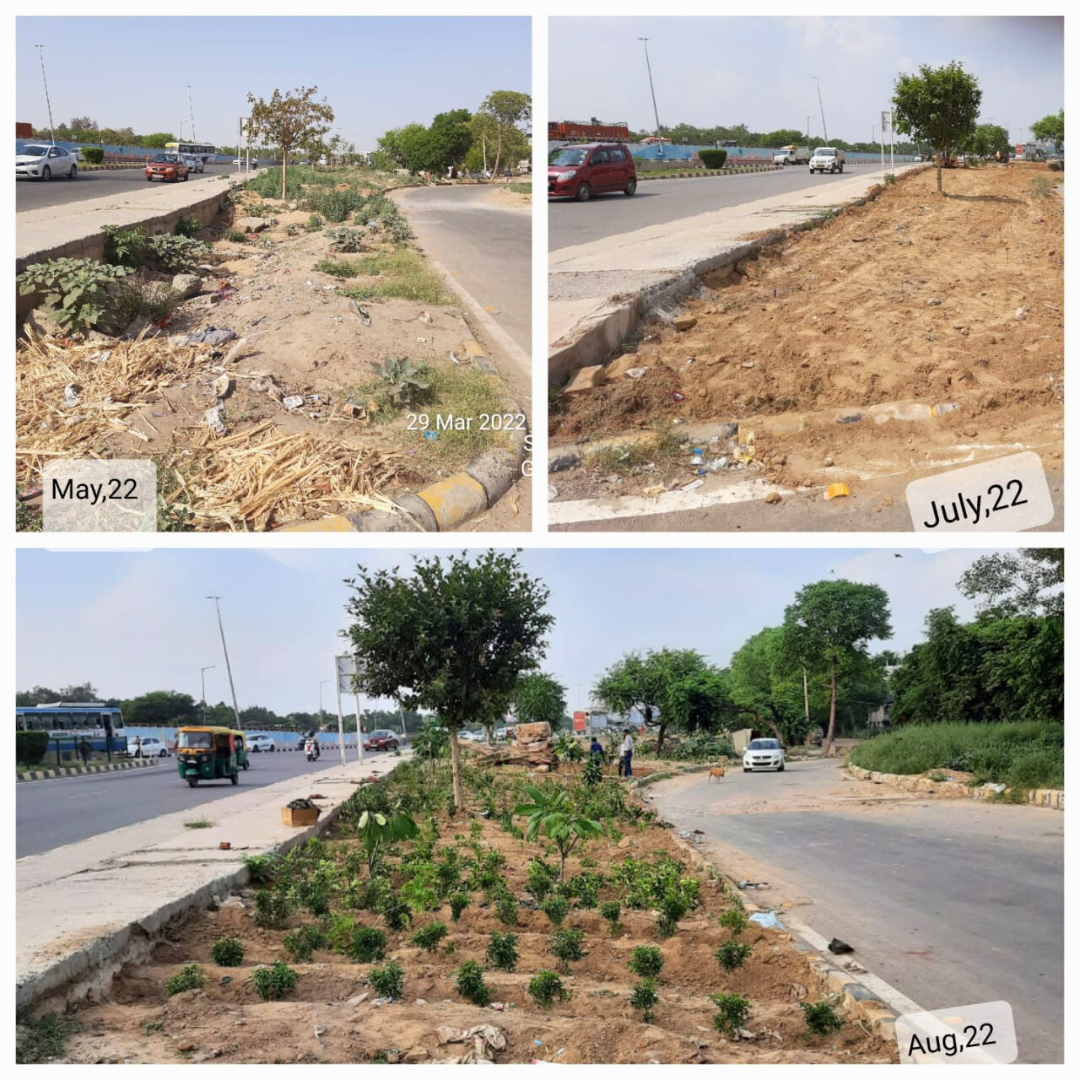
Native forest along a campus perimeter

Adopt a Green Belt

A barren edge can become a cool green boundary.

We start with exposed perimeters and end with native corridors that lower heat, improve air quality, and make the area more welcoming.

  • Heat relief
  • Dust reduction
  • Native biodiversity
  • Site assessment, native planting plans, and maintenance support to help the landscape establish well.
  • Volunteer days and simple signage so staff, students, and visitors understand what is growing there.
  • Photo documentation and progress reporting so partners can track survival and visible change.

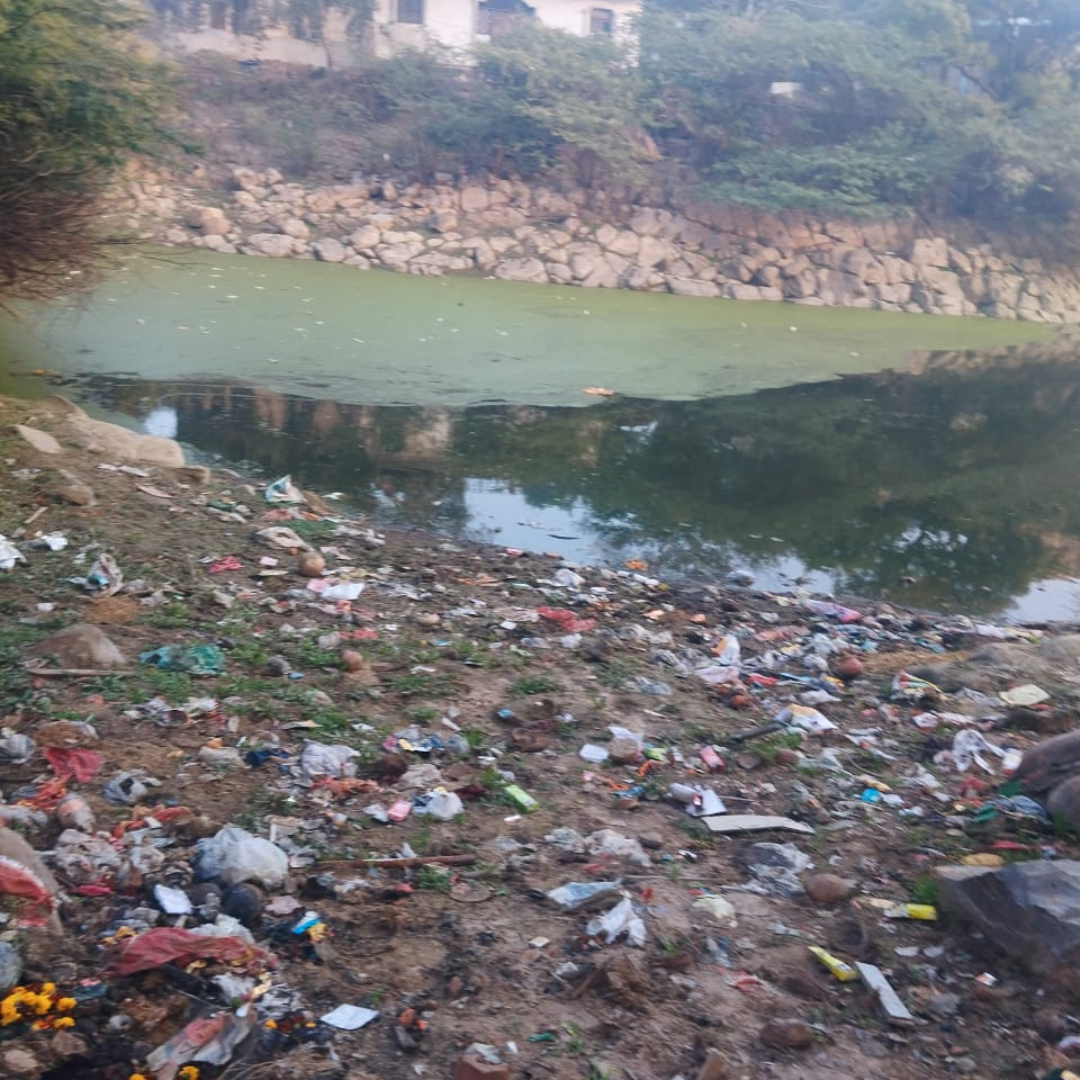
Adopt a Water Body

A stressed lake or pond can return as a safer shared space.

Through desilting, planting, edge repair, and local stewardship, we help water bodies move from neglect to long-term care.
  • Cleaner water edges
  • Improved storage
  • Community stewardship
  • Water-body diagnosis, desilting, planting, and inlet or outlet improvements based on site need.
  • School groups, residents, and volunteers are involved so the site has local caretakers after restoration.
  • Monitoring and documentation help partners understand both ecological and community outcomes.
Revived urban lake with walking path
High-energy plantation drive

Plantation Drives

A planting day becomes the first page, not the last.

Our drives combine species planning, volunteer flow, and aftercare so the story continues well beyond a single photo moment.

  • Volunteer participation
  • Long-term maintenance
  • Visible green cover
  • Pre-event planning, species selection, and safety-led volunteer flow for schools, teams, and local groups.
  • Maintenance planning, site records, and updates after the planting day.
  • Optional media support so partners can share the work without overstating the impact.

Awareness Wall Painting

A blank wall becomes a public conversation.

Wall painting turns neglected surfaces into local landmarks that keep messages about waste, water, and biodiversity alive in daily life.
  • Public visibility
  • School participation
  • Neighbourhood pride
  • Message design, artist coordination, and community participation in the making process.
  • Suitable for schools, public walls, parks, and neighbourhood campaigns.
  • Light-touch upkeep planning keeps the installation presentable after launch.
Volunteers painting a sustainability mural
Recycled installations built from scrap

Best Out of Waste

Discarded material becomes useful again.

Schools, parks, and community spaces reuse waste as benches, learning tools, and public installations people can actually use.

  • Waste diversion
  • Useful public assets
  • Hands-on learning
  • Material review and concept design based on what is actually available to reuse.
  • Fabrication with local makers and installation in community-facing spaces.
  • Strong fit for school programs, employee participation, and public awareness events.

Cleanliness Drive

Cleanup day becomes a lasting neighbourhood habit.

We run coordinated drives with workers, residents, and volunteers, then add simple systems so the area stays cleaner after the team leaves.
  • Cleaner public spaces
  • Waste segregation
  • Neighbourhood ownership
  • Permissions, safety planning, and on-ground coordination for cleanup days with many local groups.
  • Simple add-ons like signage, segregation points, or local caretaker groups improve follow-through.
  • Useful for markets, colonies, schools, public institutions, and civic campaigns.
Volunteers conducting a cleanliness drive
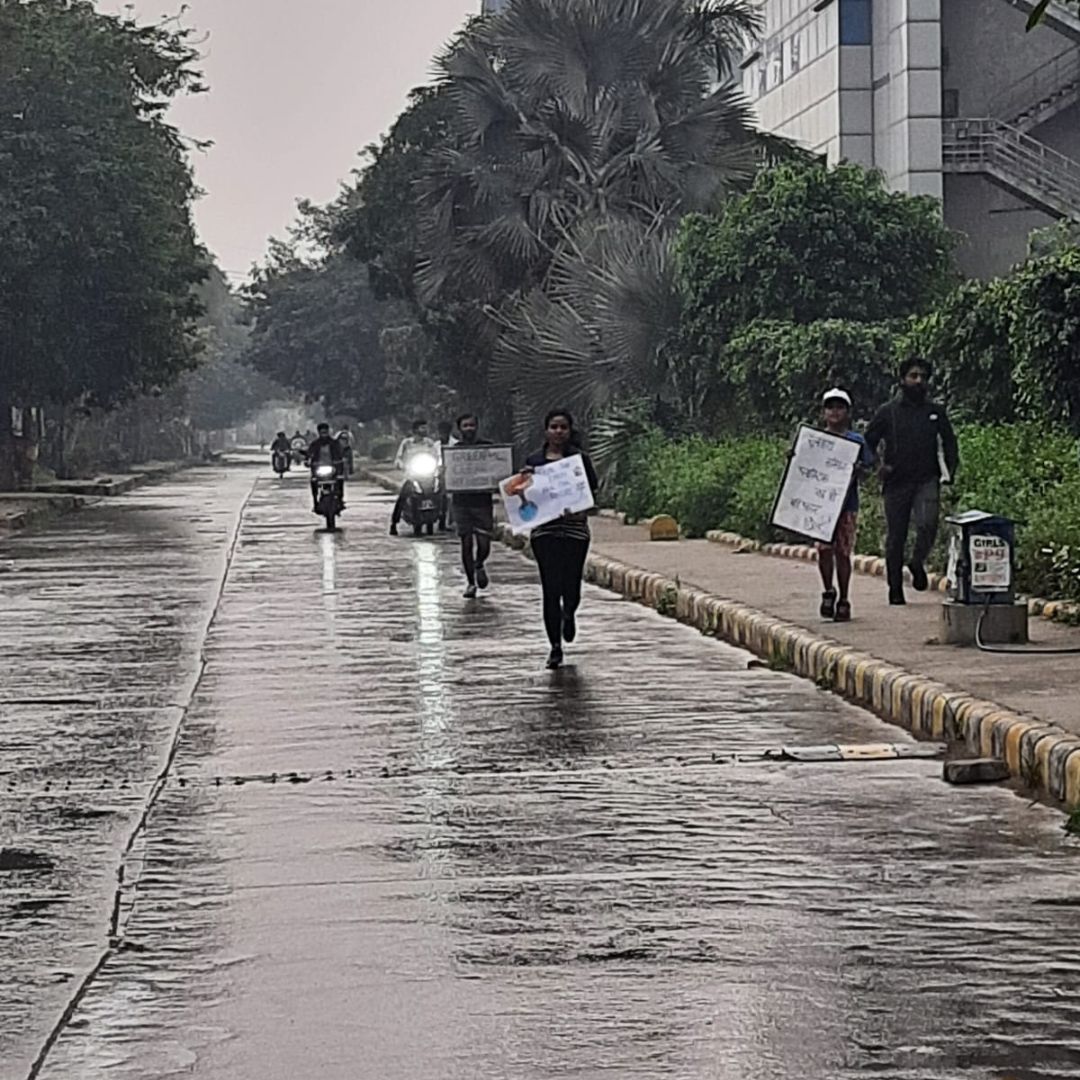
Runners participating in the Green Run

Green Run

A public run becomes fuel for restoration work.

Green Run brings people together for wellness and purpose, linking every registration to work that improves land and water on the ground.

  • Public participation
  • Fundraising
  • Climate awareness
  • End-to-end event management, participant experience, and cleaner event operations.
  • Suitable for cities, institutions, companies, and campaign-led fundraising moments.
  • Can be linked directly to plantation, water, or community education outcomes.

Need help choosing?

Tell us your site story, and we will suggest the right first chapter.

Some partners need visible team participation. Others need long-term restoration or school-led awareness. We help you start in the right place.

Donate