150 MT
Plastic, metal, textile, and wood scrap converted into benches, play areas, kiosks, and museum-grade exhibits.
Hands-on waste learning spaces that turn recyclables into useful public furniture.
Initiative Snapshot
The Best Out of Waste initiative co-designs furniture, installations, and learning spaces using discarded material, diverting waste from landfills while sparking circular-economy thinking.
150 MT
Plastic, metal, textile, and wood scrap converted into benches, play areas, kiosks, and museum-grade exhibits.
Why this matters
Reuse keeps material in circulation, lowering methane emissions and transportation costs.
Eye-catching installations nudge residents to segregate and adopt circular behaviour.
Teams from different functions work together to build useful solutions from discarded material.
Programme flow
Identify reusable streams—tetra packs, tyres, drums, pallets, and e-waste—and plan collection clearly.
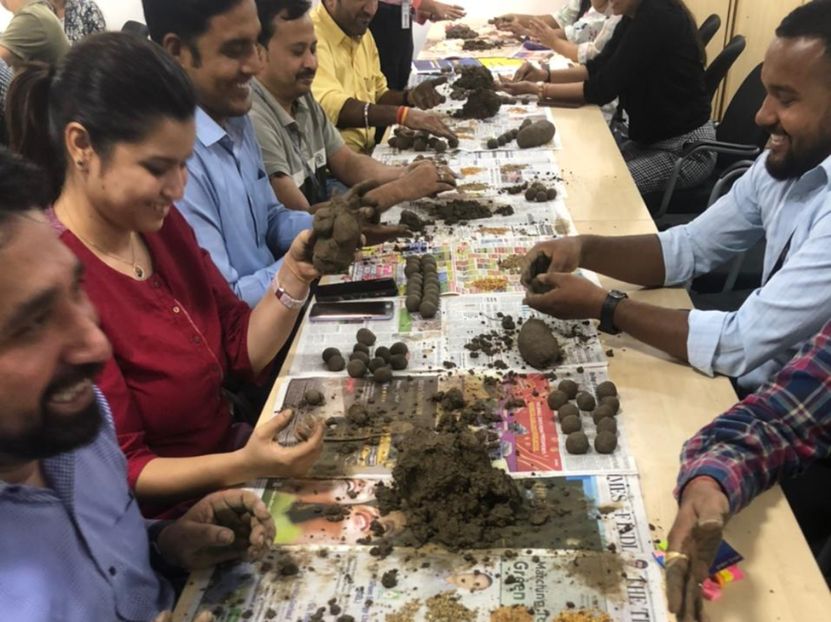
Co-creation sessions and prototyping with architects, artisans, and employees.
Quality-controlled builds at vetted social enterprises and recycling partners.
Deployments in schools, parks, metro stations, and offices backed by awareness campaigns.
Material diversion records, life-cycle notes, and communication kits.
Why partners join this chapter
Connects waste diversion work to existing producer responsibility commitments.
Hands-on sessions help teams learn circular design through real making.
Public amenities such as reading corners, seating spaces, and park corners improve daily use and trust.
Installations become anchor points for brand activations and civic engagements.
Story in numbers
Waste diverted from landfills.
Installations deployed.
Material streams reimagined—from tyres to EV batteries.
Citizens interacting with the installs monthly.
Case highlight
A global FMCG partner worked with Hara Jeevan to convert scrap pallets and drums into learning labs for municipal schools. Students now learn robotics and climate literacy inside colourful, recycled classrooms.

Gallery