Living corridors
Noise and dust drop by up to 30%, while native birds and pollinators reclaim industrial neighbourhoods.
Turn idle boundaries into living green buffers with native species and steady care.
Initiative Snapshot
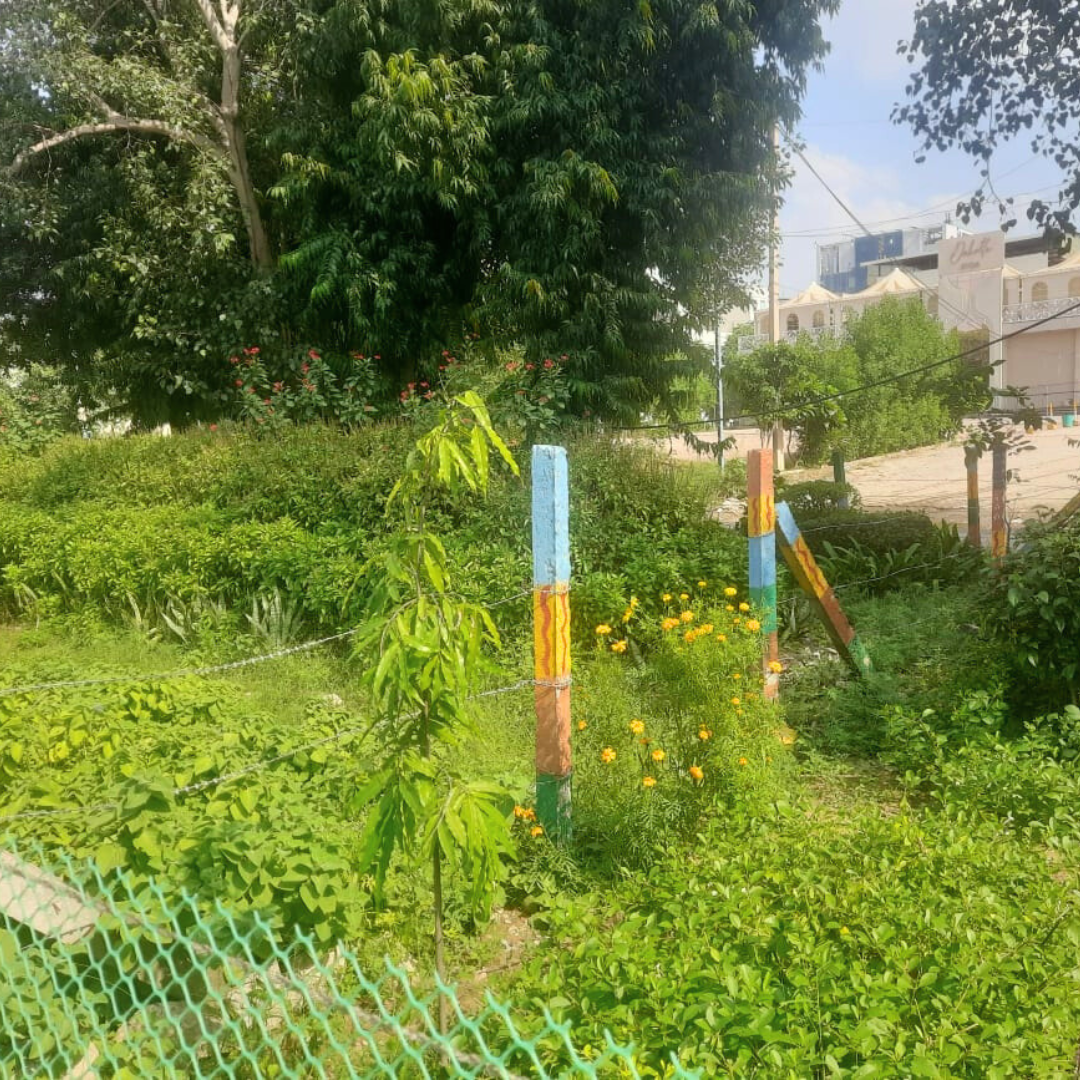
The Adopt a Green Belt chapter turns hard, dusty edges around campuses and industrial zones into living green corridors people can feel and use every day.
Living corridors
Noise and dust drop by up to 30%, while native birds and pollinators reclaim industrial neighbourhoods.
Why this matters
Native belts capture PM2.5, provide shade, and create evapotranspiration corridors for overheated townships.
Visible green belts demonstrate intent to regulators and neighbouring communities, unlocking faster approvals.
Clear field records help partners explain what changed on the ground and why it matters.
Blueprint
We study soil, wind, shade, and local movement patterns before planting begins.
Native species plans, water layouts, and signboards are co-created with local teams.
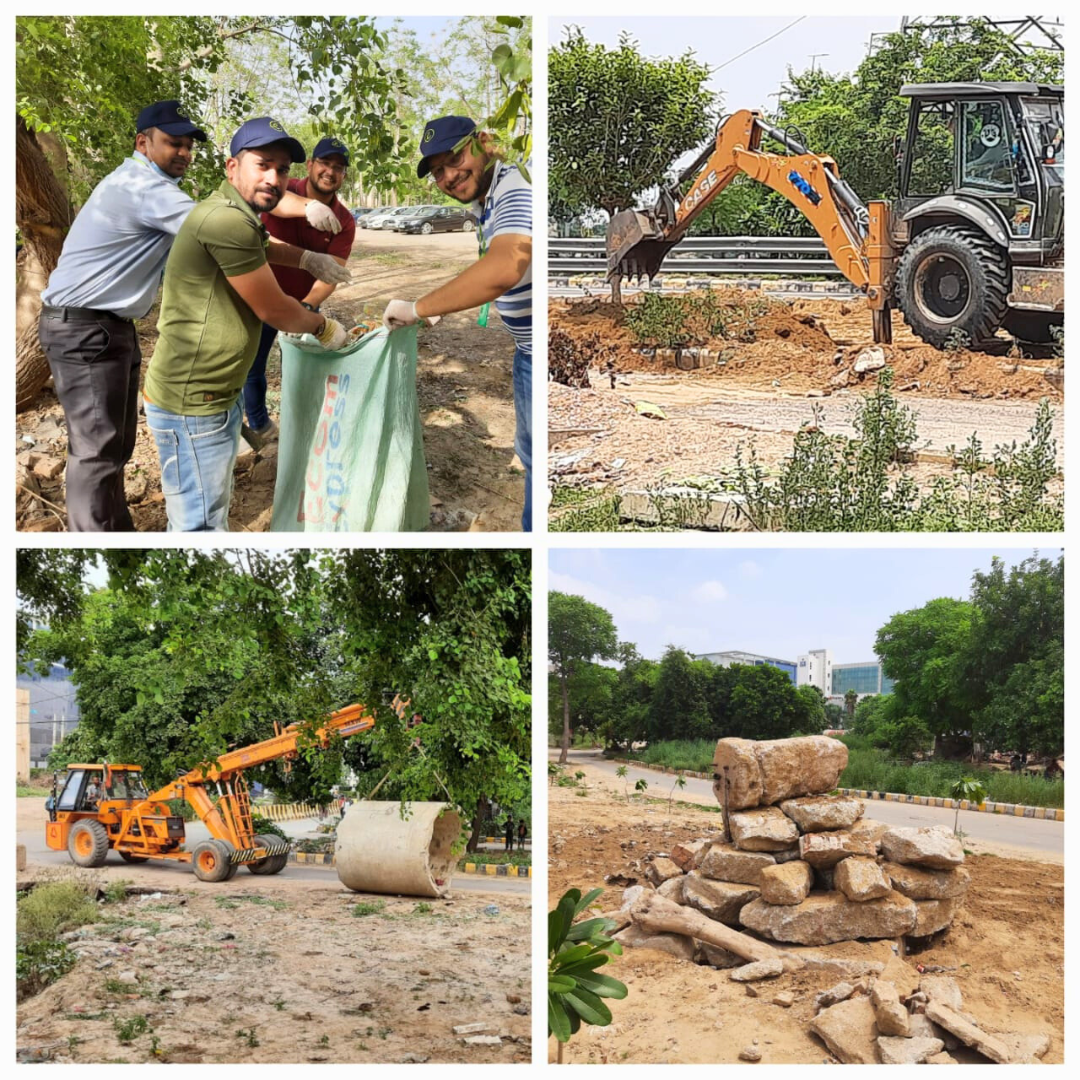
Miyawaki strips, berms, bioswales, and seating nodes are created with trained community members.
Maintenance crews use simple checklists and regular follow-ups so leadership can see steady progress.
Why partners join this chapter
Lower HVAC costs and safer outdoor zones for workers and transporters.
Clear documentation is prepared to match local environmental norms and partner requirements.
Wellness walks, biodiversity trails, and interpretation boards drive connection to purpose.
QR-linked species markers help visitors and teams understand the story of each planted zone.
Story in numbers
Green belts delivered for industrial estates, schools, and hospitals.
Acres of native vegetation revived.
Workplace volunteers trained as micro-forest champions.
Priority species reintroduced (Amaltas, Kachnar, Jamun, among others).
Case highlight
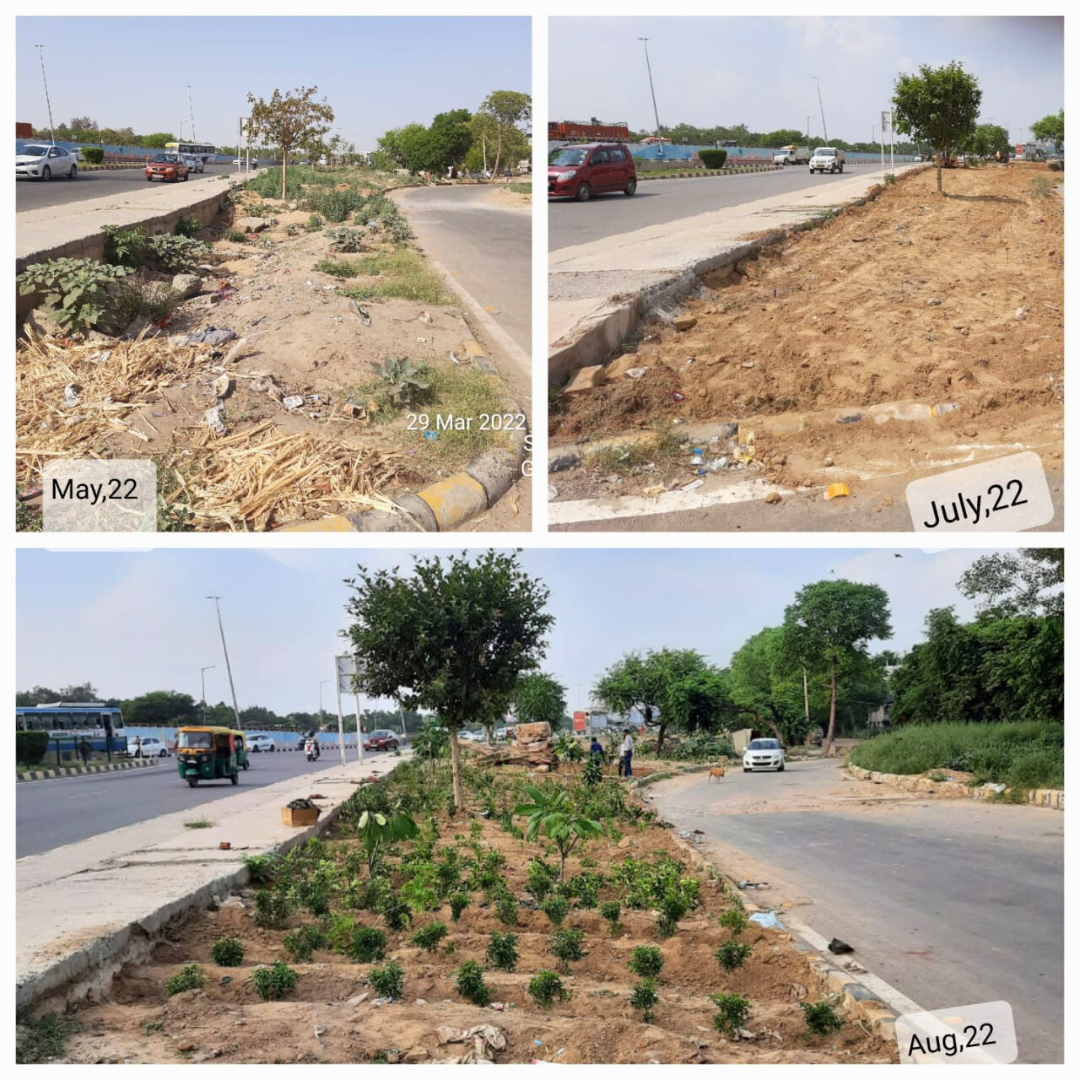
Hara Jeevan converted a 1.5 km dusty perimeter into a lush belt with bioswales, micro habitats, and sensory trails. The project reduced noise for neighbouring households and became a reference chapter for similar sites.
Gallery