
Land & Biodiversity
Urban sites can become cooler, greener, and easier to use.
These projects focus on tree planting, landscape revival, and long-term ecological improvement.
Each story begins with a difficult reality: damaged land, stressed water, or unmanaged waste. It moves forward through careful planning and community participation.
And it reaches a visible turning point: greener commons, safer spaces, and habits that continue after the first intervention.
How to read these case studies
Some projects are large restoration efforts. Others focus on schools, public awareness, or community habit change. Together they show how Hara Jeevan works across different settings.
Land & Biodiversity
These projects focus on tree planting, landscape revival, and long-term ecological improvement.
Water Restoration
These case studies show how restoration improves ecology, visibility, and community ownership.
Schools & Communities
These projects show environmental education, public campaigns, and ongoing community participation.

Urban Forest
The challenge: a barren industrial-edge site offered little shade, ecological value, or public inspiration. What changed: four acres were planted and managed as a dense native forest that is now a strong local example.
Landscape & Public Experience
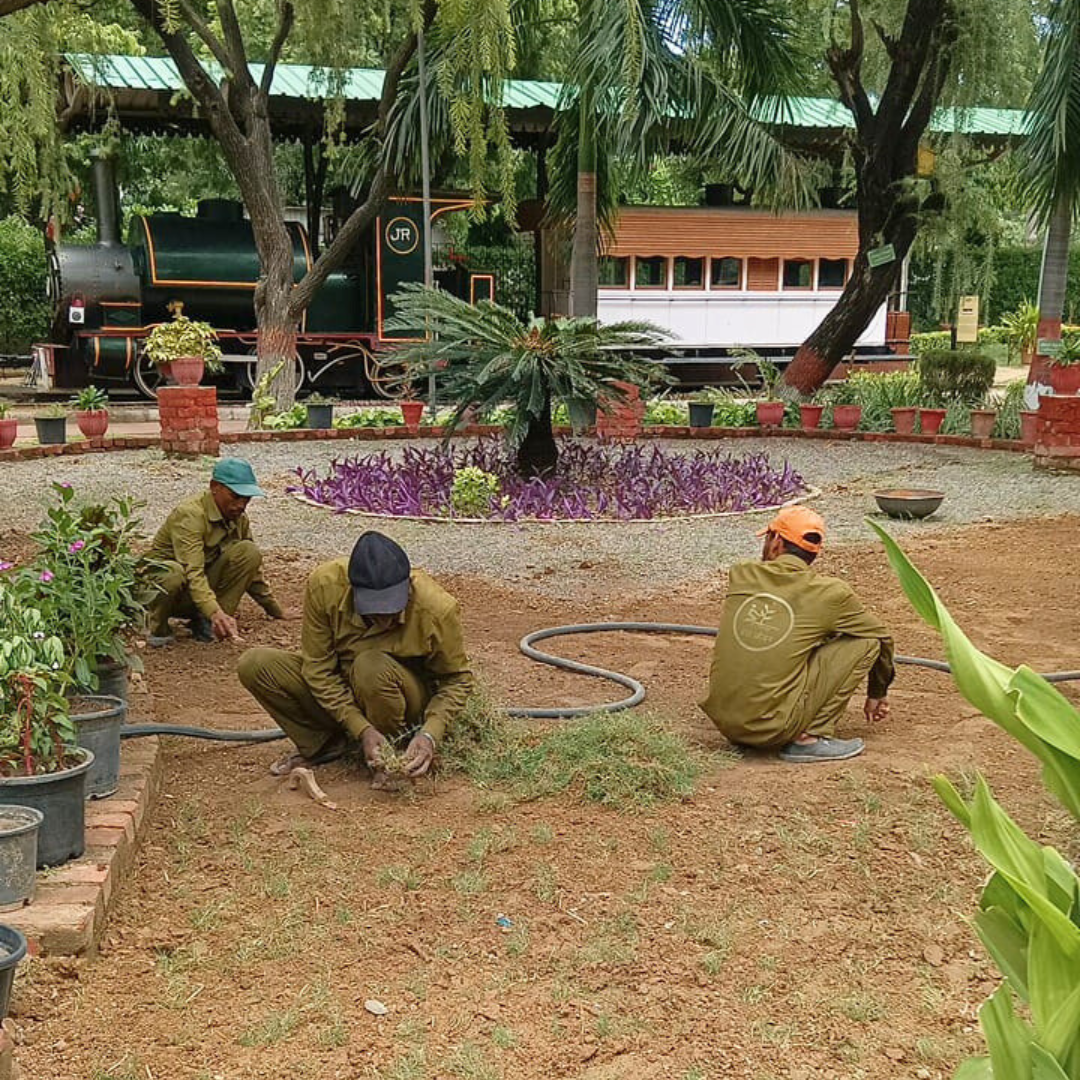
The challenge: a high-footfall public campus needed greener circulation, more biodiversity, and a better visitor experience. What changed: the museum landscape became more welcoming, shaded, and ecologically diverse.
Public Awareness
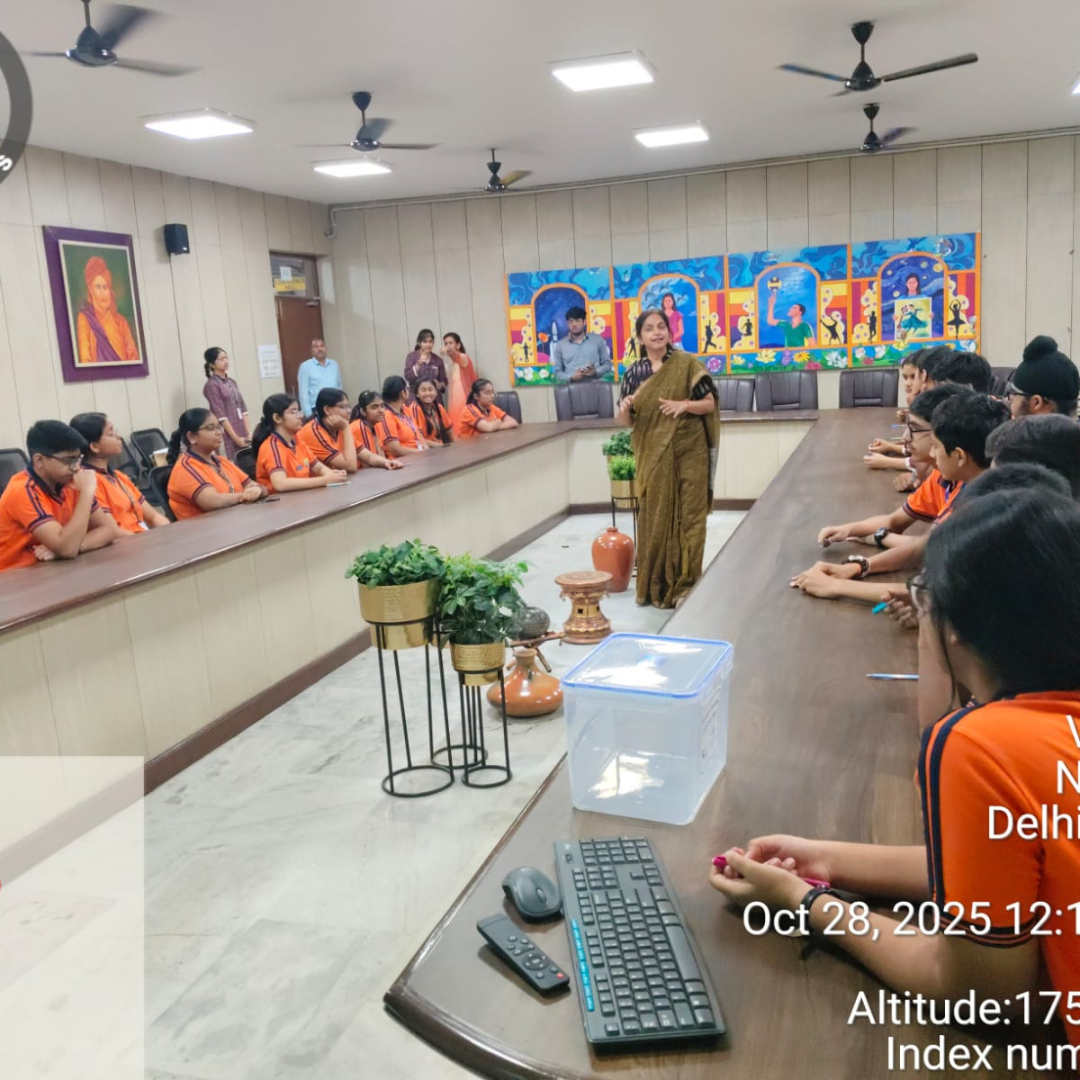
The challenge: mercury risks are poorly understood in many homes and schools. What changed: targeted school and community sessions helped people recognize hazards and respond more safely.
Community Engagement
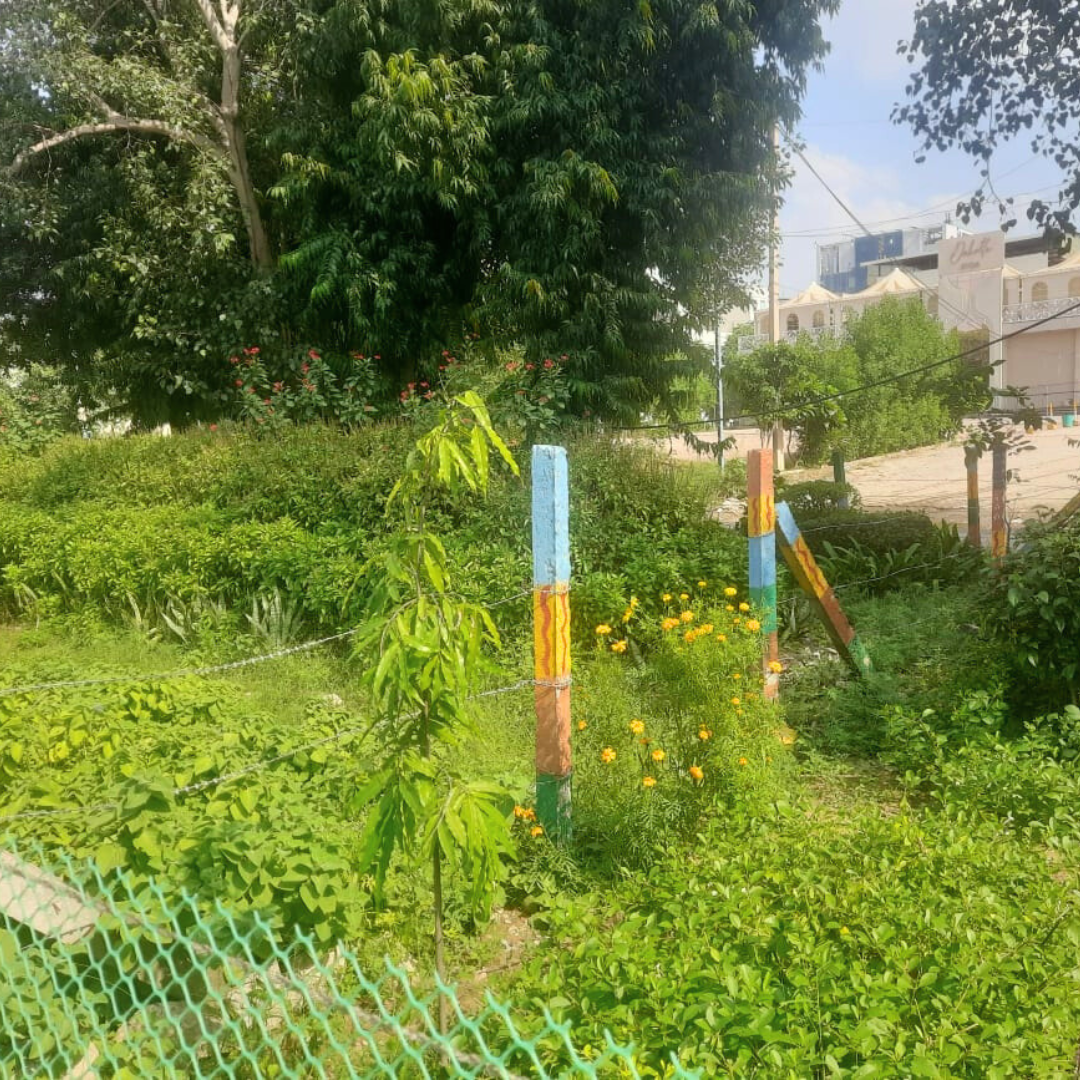
The challenge: a barren site offered little ecological or community value. What changed: regular plantation, cleanup, and local participation turned it into a green belt that people continue to maintain.
Water Body Revival
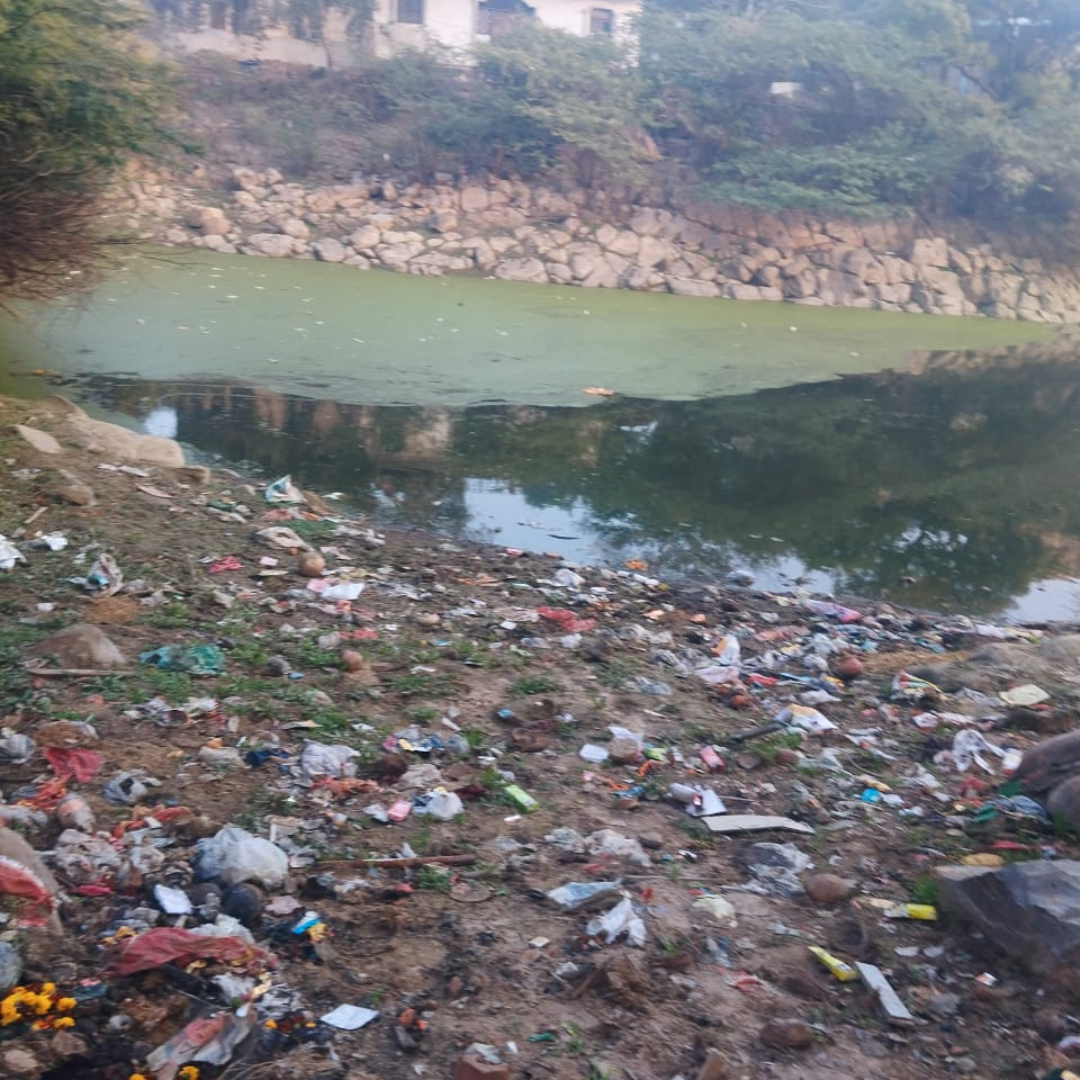
The challenge: the water body had degraded and needed structural and ecological care to become useful again. What changed: restoration work stabilised the basin and improved its role as a neighbourhood ecological asset.
School Transformation
The challenge: many schools want environmental education to be practical, not abstract. What changed: Hara Vidyalaya introduced visible waste systems and student-led climate habits across 50 schools.
Installed composting units and practical waste-management infrastructure.
Launched no-plastic campaigns with students as visible ambassadors.
Built a school approach that other districts can adapt to local needs.
Reached thousands of students and teachers through repeated activities.
Looking for something specific?
If you need a water-restoration reference, a school example, or a site similar to yours, we can point you to the most relevant case and next step.